About the Author
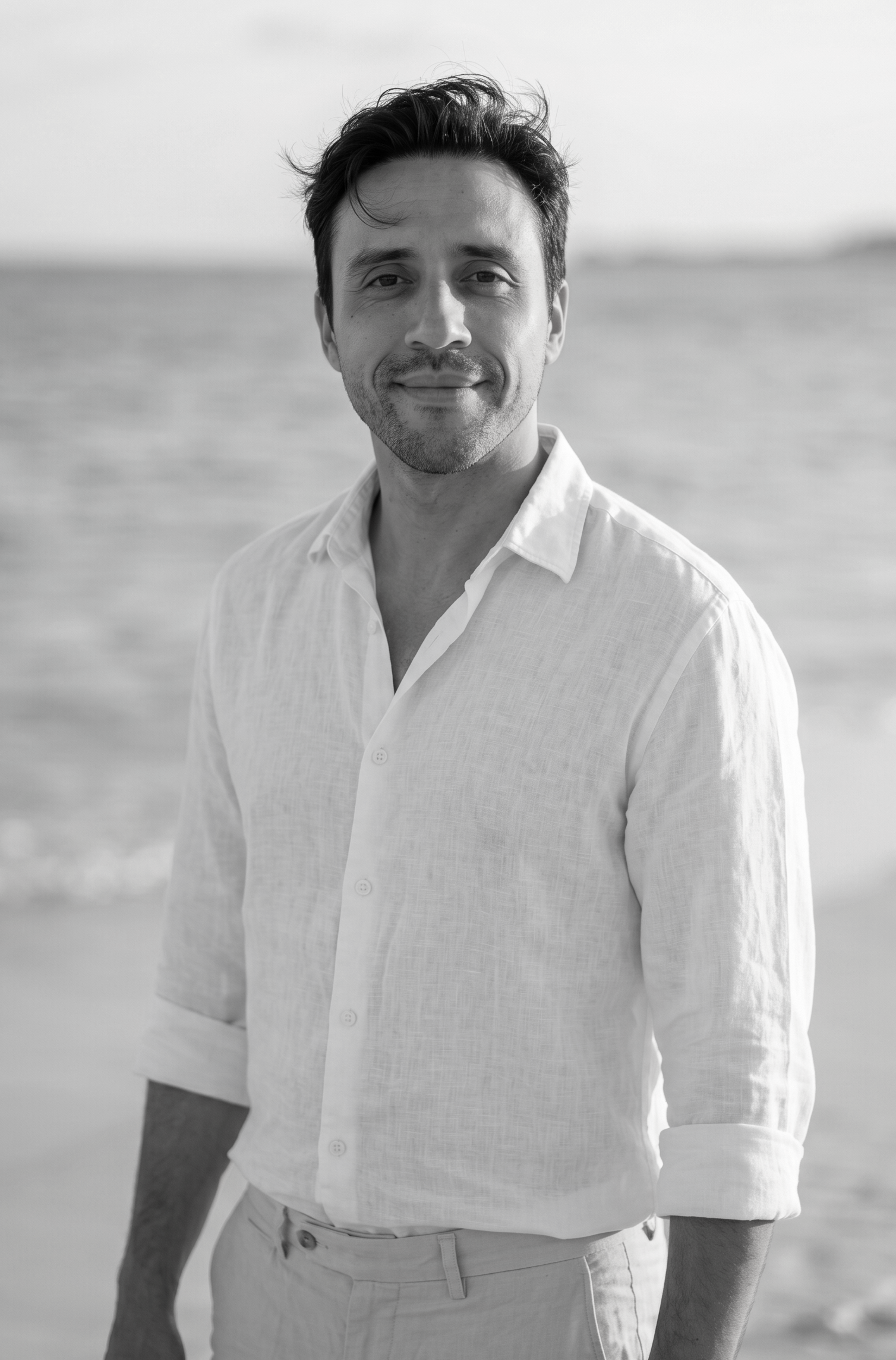
César Zurita was born in Mexico and has spent most of his life elsewhere—France, London, Italy, Hong Kong, Australia, the Middle East and places in between. He has visited more than 100 countries and lived in enough places to know that people grieve differently, love differently, and understand death differently depending on where they’re standing. He was a teenager when he saw death for the first time—his grandfather—and it was the first time he questioned what it meant to be alive. He hasn’t stopped questioning since.
He lived for years in London, near Angel, in the kind of neighbourhood where you know the sound of the Overground and the foxes screaming at night but never quite learn your neighbour’s name. That neighbourhood, and the life lived inside it, became the beating heart of this novel.
Thirty Days is his first book. It was born from turning forty and realising that the midlife questions he’d been avoiding—Who am I when I stop performing? Am I actually present for the people I love? What would I do if time ran out?—weren’t going to answer themselves. The story is fiction. The questions are not.
He wrote this book because he believes the most important things in life are the ones we walk past every day without noticing. The taste of freshly ground coffee. The sound of a child playing. The weight of someone’s hand in yours. The ordinary things that turn out to be everything—if you’re paying attention.
César finished writing this book during the war in the Middle East in early 2026. Some chapters were written while the sounds of conflict carried through the night. Fiction and reality have never felt closer.
The first time he told his mother what the book was about, she said: “Why would you write about something as horrible as death?” He didn’t tell her the answer then. The book is his answer: without death, there is no life. Death is part of life, as much as nights are part of days.
César is in good health, happily married, and lucky enough to have his family and friends around him. This book came from questions, not from crisis.